Soho Theatre Walthamstow
Return to the Pleasure Palace
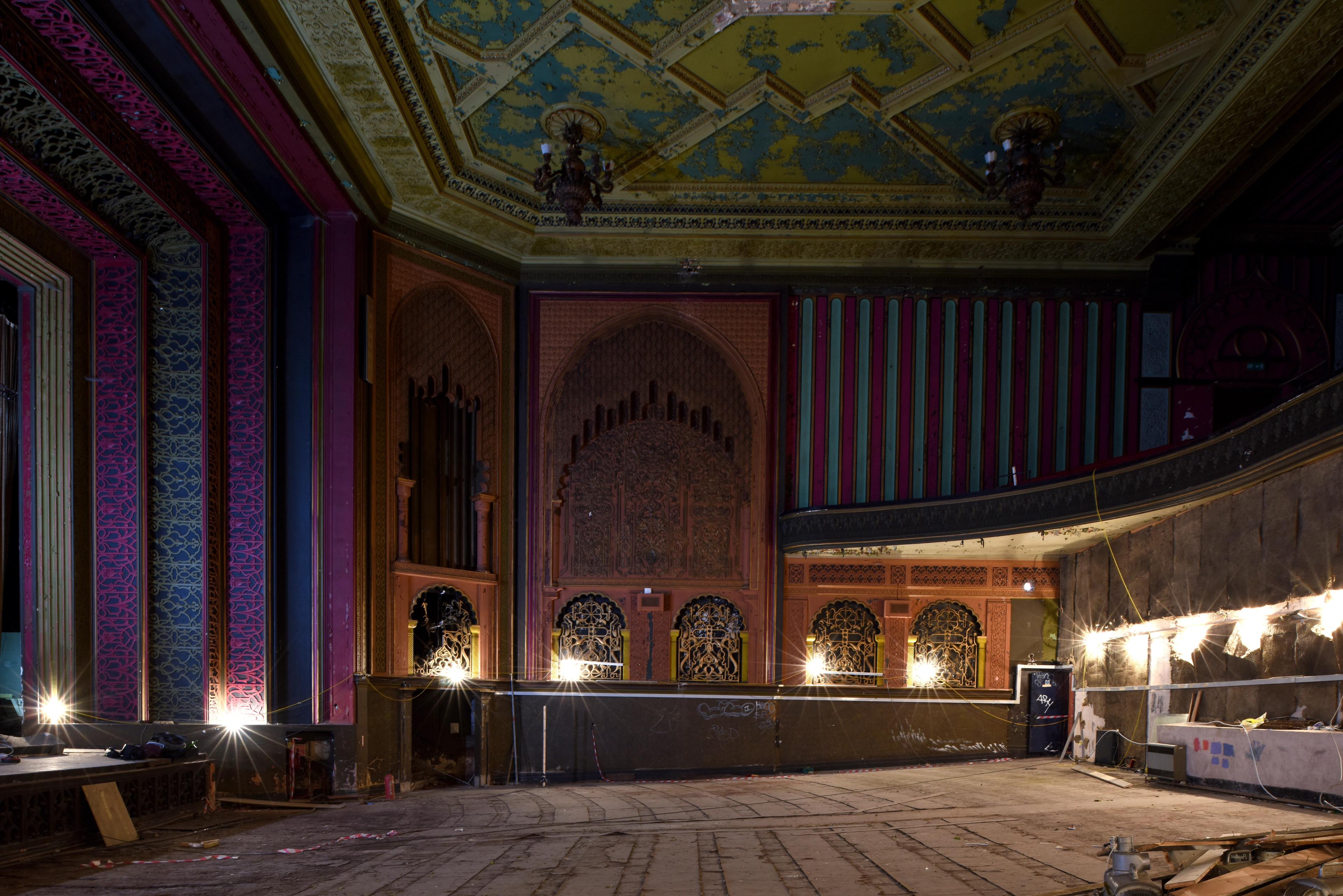
Pilbrow & Partners were appointed by the London Borough of Waltham Forest and Soho Theatre to restore the former Granada Walthamstow Cinema, a Grade II* listed building and a landmark of Twentieth-Century Moorish inspired architecture. Originally opened in 1930 as the second venue of Sidney Bernstein fledgling Granada Cinema group that evolved into Granada Television. It was designed by acclaimed theatre architect Cecil Aubrey Masey with the lavish interiors created by Theodore Komisarjevsky a Russian émigré artist and set designer, the Granada offered local audiences a rich spectacle of escapism and glamour based on the Alhambra and Spanish aristocratic castles.
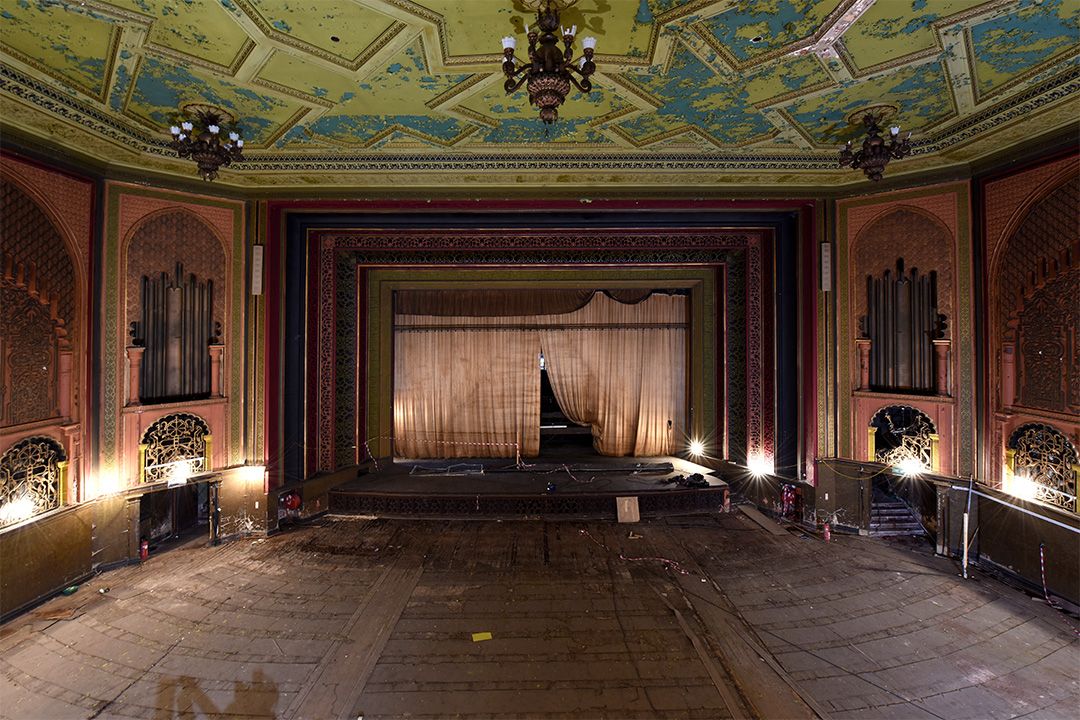
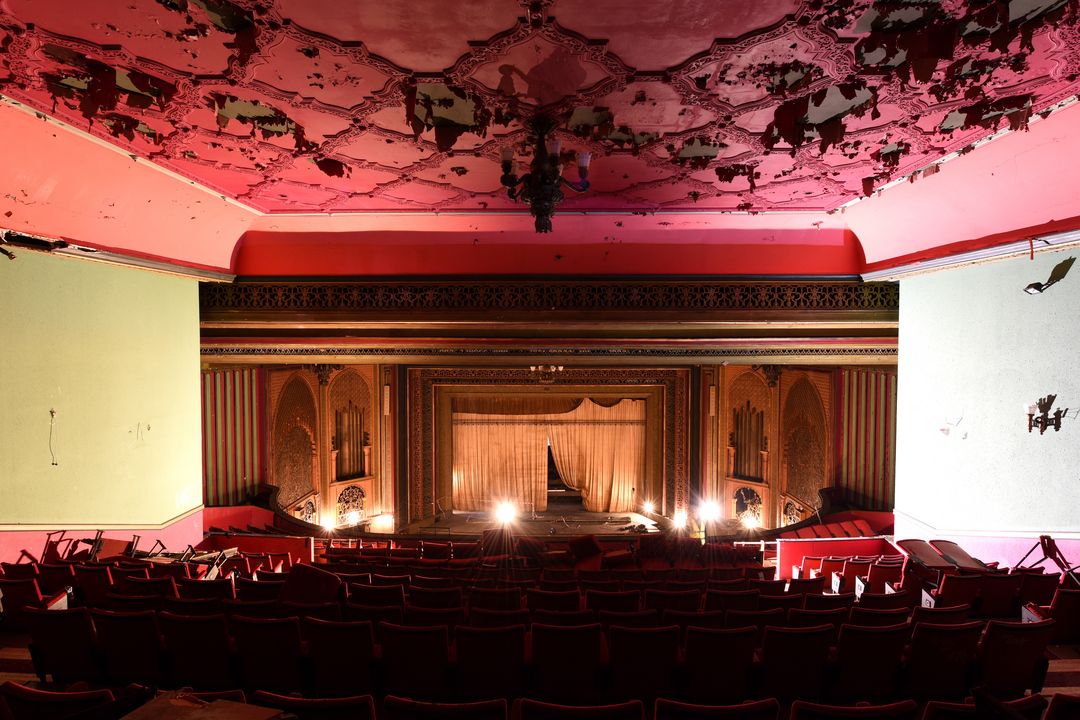
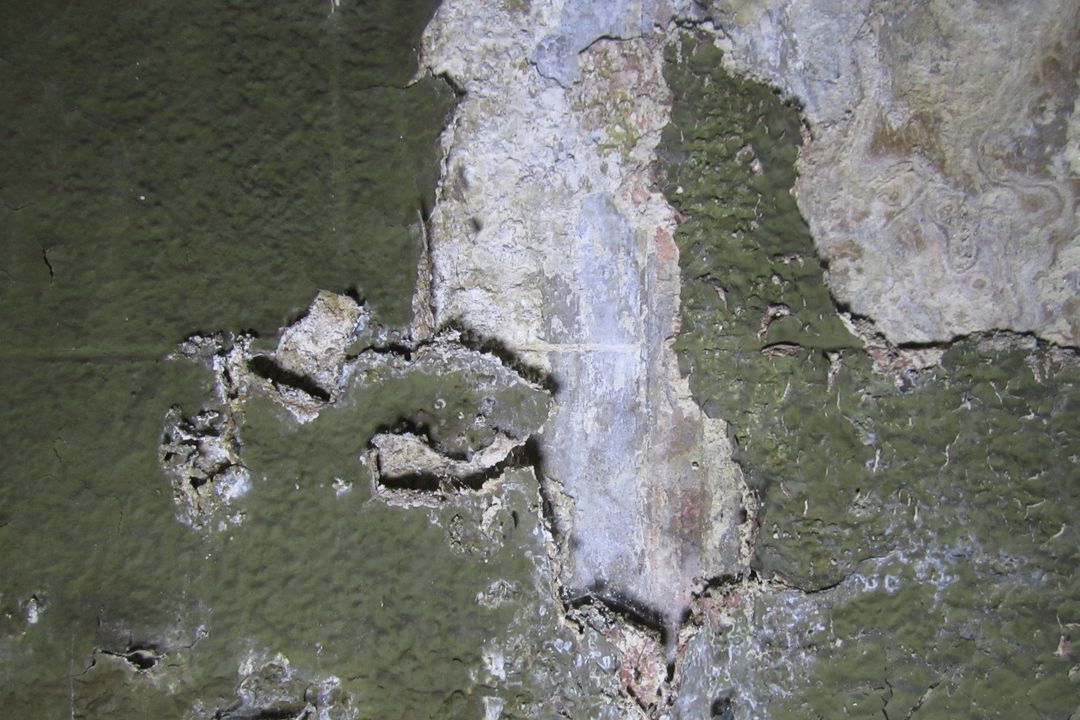
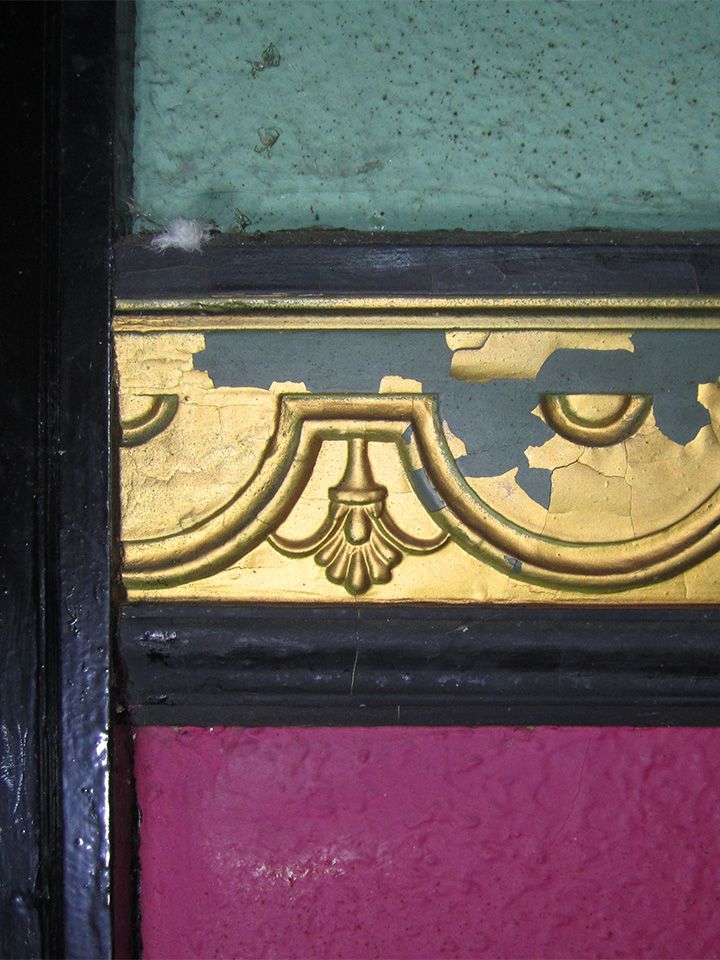
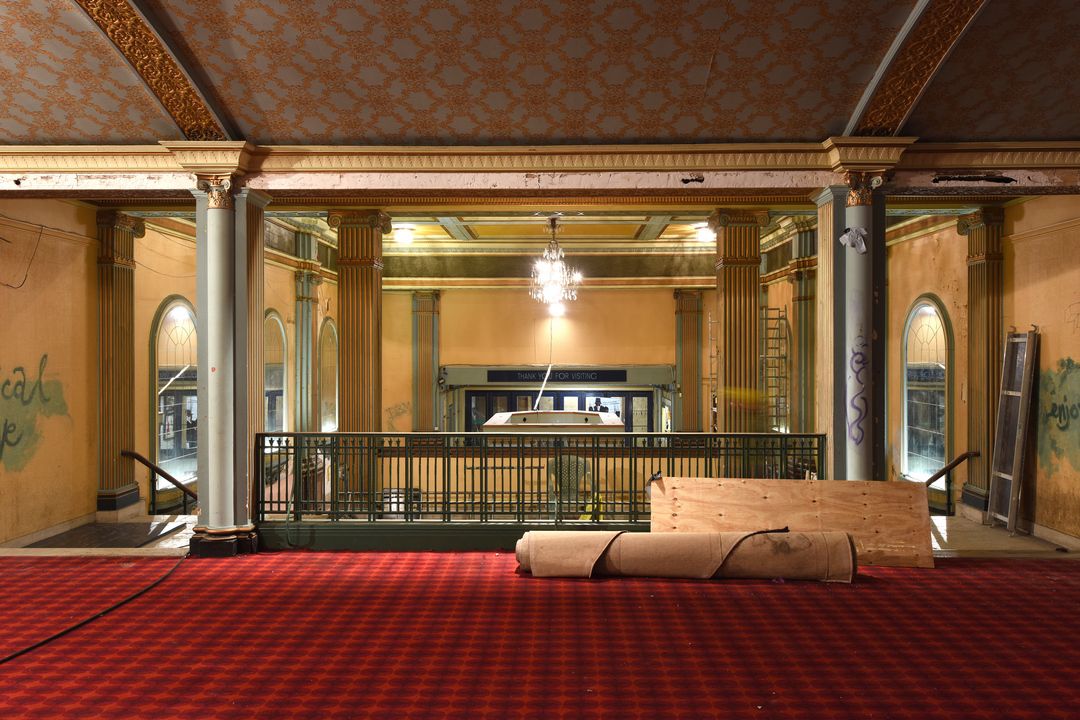
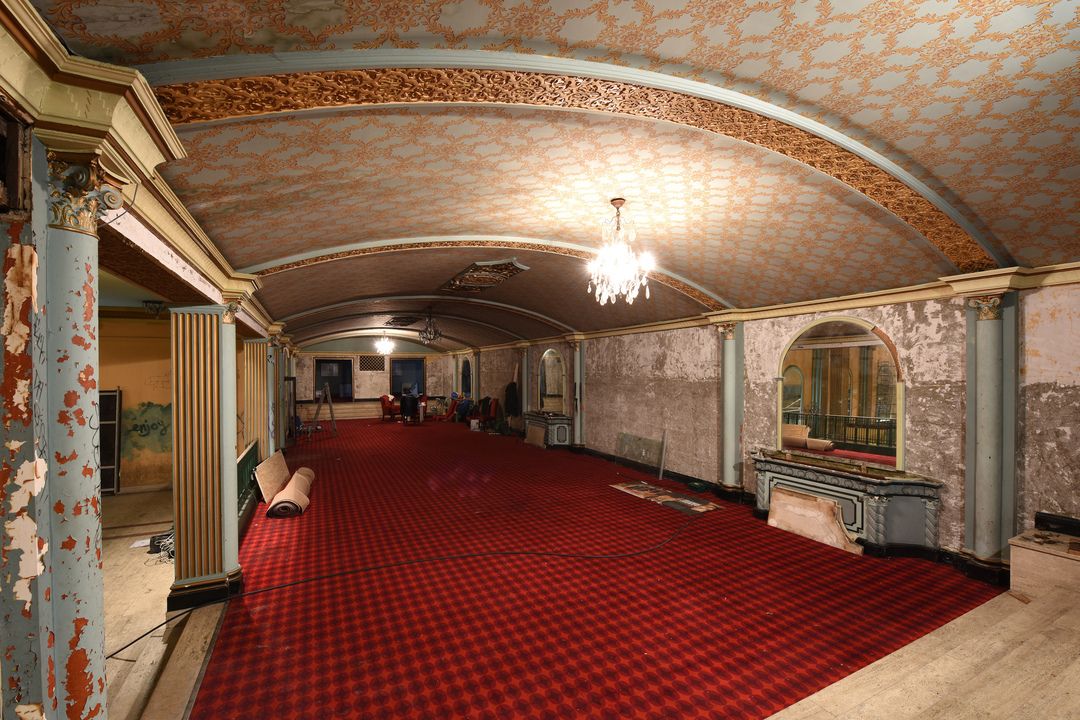
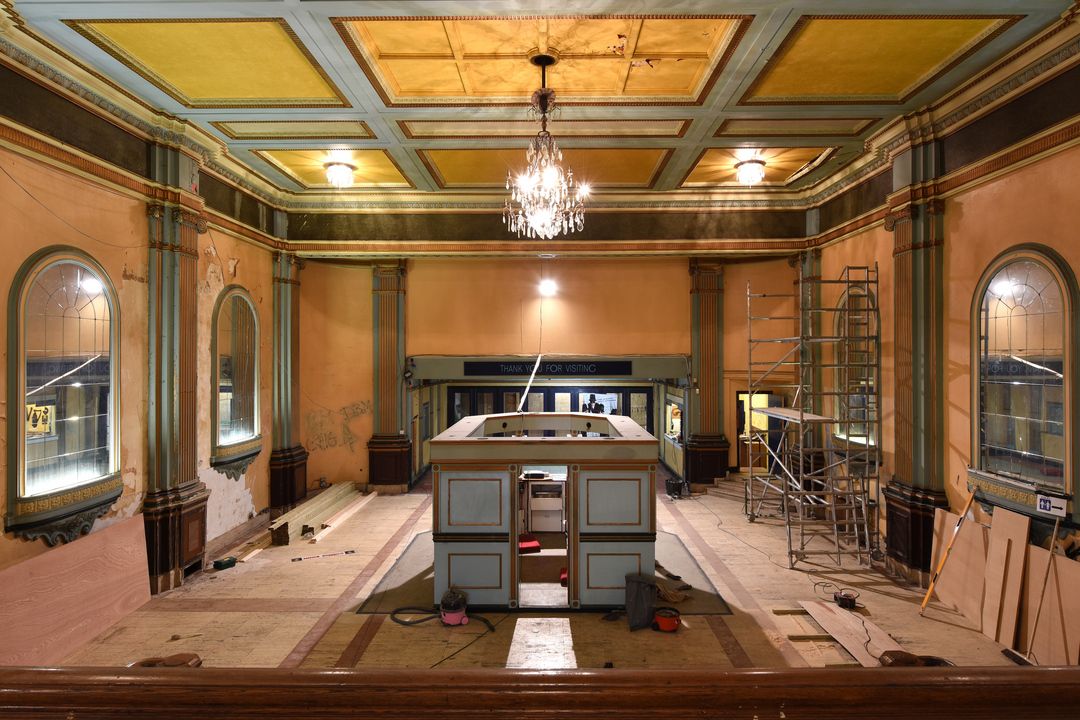
The restoration follows an approach of Arrested Decay, preserving the building’s history rather than erasing it. Its grandeur has been revived, while periods of decline and neglect have been retained to express its resilience and identity. The result is a theatre that honors the building’s past and reflects Walthamstow’s transformation into London’s first ‘Borough of Culture’.
The ’Super cinema’, had 2,700 seats, it was a beacon of cinematic opulence – including two Christy Organs. Local resident Alfred Hitchcock is known to have been a regular for Saturday morning matinees. Damaged in 1944 by a flying bomb, the façade’s gable has now been faithfully restored, marking the entrance and reintroducing the building into Hoe Street’s historic streetscape. Inside, original plasterwork inspired by the Palace at Arunjuex has been conserved alongside layers of paint from subsequent decades, a patina celebrating its evolving identity.
After its post-war decline as a cinema, the building became a major music venue, hosting performers like The Beatles, The Rolling Stones, and Johnny Cash. This era is commemorated in the foyer’s design, which subtly echoes its musical past. The entire cinema was subdivided in the early eighties into a series of screens and painted with mint greens and blues the ‘Bollywood’ period, which have also been preserved. These tones create a rich visual patina, contrasting with the original 1930s colours, reflecting its valued social history
Closed in 2003, the building appeared on several national ‘at risk’ registers. In 2018, Waltham Forest Council acquired the site following a strong community campaign over a series of decades. Their vision, shared with Soho Theatre, was to restore it as a theatre that celebrates its richly layered recent history.
Pilbrow & Partners worked closely with the Council and Soho Theatre to transform the building into ‘Soho Theatre Walthamstow’. Sensitive interventions were made to adapt it for live performance: the previously divided auditorium has been re-unified into a single 960-seat venue; new dressing rooms, a fly tower, and improved sightlines were introduced to support contemporary theatre needs while maintaining the building’s architectural integrity.
The restored theatre will be the cornerstone of an emerging arts quarter on Hoe Street. Alongside the performance space, the building now offers shops, cafés, community foyers, and education facilities, ensuring all-day activation and lasting community benefit.
This project represents a unique model of restoration and reuse, balancing heritage with transformation. It reclaims a treasured building not as a monument to the past, but as a living symbol of cultural renewal. Pilbrow & Partners is proud to have played a part in returning this remarkable building to the community as a beacon of creativity, diversity, and local pride.
Check Observer's article about Soho Theatre Walthamstow:
Architecture: return to the pleasure palace | The Observer
Soho Theatre Walthamstow project: Walthamstow EMD Cinema